

Rethinking How Students Access Knowledge
Imagine a college student in Ohio, nestled in her cozy dorm room, accessing a rare primary source document at the stroke of midnight without ever stepping foot outside. This scenario is increasingly common across American education, marking a significant shift in how students interact with academic resources. The integration of Digital Libraries into virtual classrooms is transitioning from being a novel concept to an essential component of modern education.
Both universities and K-12 districts are beginning to recognize that conventional online courses often lack the engaging and dynamic quality necessary for deep learning. By incorporating rich, searchable digital libraries into these environments, educators can transform the way students interact with course material, fostering a more interactive learning experience.
Why This Shift Matters Now
In today’s educational landscape, remote and hybrid learning models are becoming entrenched, prompting a search for tools that effectively engage students. Digital collections provide the interactive depth that educators have been striving to achieve for years. This shift is not only about enhancing the learning experience; it also directly impacts student performance and interest in their studies.
- Instant access to a vast array of journals, e-books, and digital archives from any internet-enabled device allows students to delve deeper into their subjects, empowering them to conduct research at their own pace.
- Multimedia resources, including videos, infographics, and interactive maps, enhance comprehension by appealing to various learning styles, thus catering to auditory, visual, and kinesthetic learners alike.
- 24/7 availability eliminates the limitations imposed by traditional library operating hours, allowing students to pursue their academic interests whenever inspiration strikes.
These features align with broader Student Engagement Strategies that educators have long been pursuing, demonstrating their effectiveness in fostering individual learning pathways and boosting overall engagement and mastery of content.
What This Article Will Cover
This article delves into the practical Benefits of Digital Libraries within virtual coursework, supported by tangible classroom examples that illustrate the positive impact on student learning outcomes. Additionally, it examines how Enhancing Education with Libraries can serve as a crucial tool in closing achievement gaps, particularly in underserved communities where access to resources may otherwise be limited.
Readers will discover actionable insights into effectively deploying Digital Resources for Students, emphasizing strategies that encourage active participation and critical thinking. The ultimate aim is to illustrate how thoughtful integration of these tools can transform passive scrolling through material into an active, inquisitive approach to learning within modern Online Learning Environments.
This exploration invites educators, students, and policymakers to recognize the potential of digital libraries as vital educational resources, enhancing the academic experience while fostering a culture of lifelong learning.
SEE ALSO: The Future of Digital Libraries: Innovations and Trends in Educational Resources
# From Static Portals to Living Archives: The Data Behind the Shift
Numbers tell a compelling story about why Integrating Digital Libraries into coursework has moved from experimental to expected. A 2023 EDUCAUSE survey found that nearly 68% of higher education institutions reported increased investment in digital collections, citing student demand as the primary driver. This isn’t a passing trend confined to Ivy League research labs; community colleges in Texas and rural school districts in Montana are reporting similar patterns.
What’s driving this surge? Part of the answer lies in how drastically research habits have changed. Students raised on instant search results expect the same immediacy from academic resources. When a history student researching the Dust Bowl can pull Library of Congress photographs alongside oral history recordings within seconds, the learning experience becomes fundamentally different from flipping through microfilm.
Measurable Impact on Learning Outcomes
Beyond convenience, the Benefits of Digital Libraries extend directly into academic performance metrics. Several pilot programs across Midwestern universities have documented tangible improvements when digital archives replace static textbook references.
- Increased research depth: Students using integrated digital libraries cite an average of 40% more primary sources in research papers compared to those relying solely on textbook bibliographies.
- Reduced dropout rates in online courses that embed searchable databases directly within learning management systems like Canvas or Blackboard, according to internal reports from several state university systems.
- Higher completion rates for research-based assignments when students can cross-reference multiple formats, including scanned manuscripts, audio interviews, and peer-reviewed journals, without leaving the course platform.
These outcomes reinforce a broader truth: Student Engagement Strategies succeed when friction is removed from the discovery process. A learner who must leave their course page, navigate a separate library website, then log in again using a different set of credentials is far less likely to complete meaningful research than one who accesses everything within a single, cohesive environment.
Consider the practical example of a community college in Ohio that embedded JSTOR access directly into its online biology course. Instructors reported that students engaged with supplementary readings three times more frequently once the barrier of a separate login was eliminated. This small technical adjustment produced an outsized effect on curiosity and follow-through.
| Category | Details |
|---|---|
| Access to Diverse Resources | Digital libraries provide a vast array of academic journals, e-books, and multimedia content. |
| Enhanced Learning Experiences | Integrating digital libraries can support Student Engagement Strategies by offering tailored resources that cater to different learning styles. |
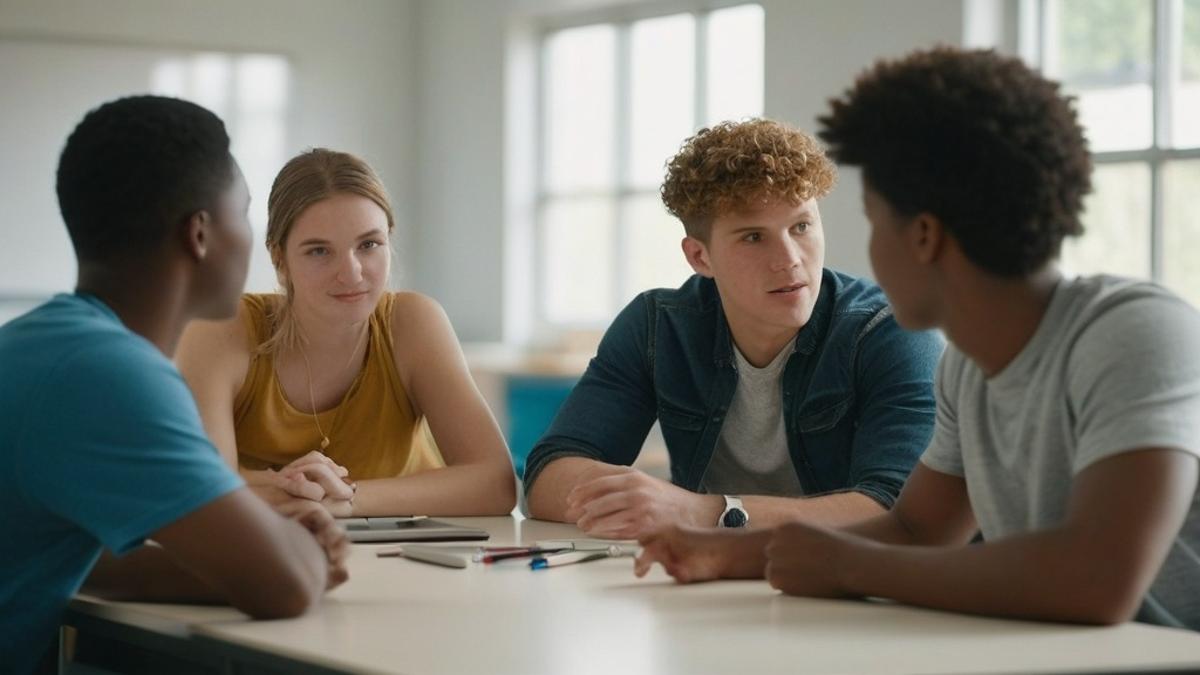
| Collaborative Learning | Students can collaborate using digital resources, facilitating peer-to-peer learning and broader discussion. |
| Research Opportunities | Digital libraries enhance academic research opportunities, allowing students to pursue insightful topics that deepen understanding. |
LEARN MORE: Integrating Digital Libraries into K-12 Education: Best Practices and Case Studies
# Beyond Access: Designing Digital Resources for Students That Actually Get UsedMerely providing access to a digital collection doesn’t guarantee students will use it. The design and placement of these resources within an online course determines whether they become integral tools or forgotten links buried in a syllabus.
The Architecture of Effective Integration
Successful Integrating Digital Libraries initiatives share a common thread: they meet students where they already are. Rather than requiring learners to bookmark separate library websites, forward-thinking institutions embed resources directly into weekly modules, discussion boards, and assignment pages.
A University of Michigan pilot program illustrates this well. When librarians collaborated with course designers to place relevant primary sources directly within Canvas modules, students spent 25% more time engaging with supplementary materials than in previous semesters. The resources hadn’t changed. The access point had.
This approach reflects a growing recognition among instructional designers that Online Learning Environments succeed or fail based on micro-decisions, not grand overhauls. Small friction points, an extra click, a forgotten password, a confusing interface, compound quickly into disengagement.
What Makes Digital Resources for Students Stick
Several patterns emerge across institutions that have successfully embedded digital collections into coursework.
- Contextual placement: Resources linked directly to specific assignments see significantly higher usage than those listed in general course resource pages.
- Multimedia variety: Courses offering audio, video, and text-based archival materials report broader engagement across different learning preferences.
- Mobile accessibility: With over 60% of community college students accessing coursework primarily through smartphones, digital libraries optimized for mobile browsing see measurably higher return visits.
Arizona State University’s online division offers a useful case study. After redesigning its digital library interface for mobile-first access, instructors noted a marked uptick in students revisiting archival sources multiple times before submitting final projects, a behavior rarely seen with traditional textbook citations.
Enhancing Education with Libraries Through Faculty Buy-In
Technology alone doesn’t drive adoption. Faculty enthusiasm plays an equally critical role.
Professors who actively model how to search archives, evaluate primary sources, and cite digital collections during live sessions see far higher student participation than those who simply post a link and move on. This mirrors broader findings in Student Engagement Strategies research: demonstration and modeling consistently outperform passive resource-sharing.
Some departments have begun training faculty specifically on digital archive navigation, recognizing that instructor comfort directly translates into classroom enthusiasm. When professors treat digital libraries as living, dynamic teaching tools rather than static reference lists, students respond accordingly, often exploring far beyond assigned readings into related collections and cross-disciplinary materials.
SEE ALSO: Building Inclusive Digital Libraries: Strategies for Accessibility in Education
Conclusion: Rethinking What Digital Libraries Can Do
The evidence points to a clear conclusion: Integrating Digital Libraries into coursework isn’t a matter of simply granting access. It’s about deliberate design, contextual placement, and consistent human modeling that transforms static archives into living classroom tools.
From the University of Michigan’s Canvas embeds to Arizona State’s mobile-first redesign, the data tells a consistent story. Small structural changes, moving a resource from a sidebar link to an assignment page, produce outsized results in time-on-task and repeat engagement.
This matters because Online Learning Environments are only as effective as their weakest friction points. A single extra click or unoptimized mobile interface can undo months of careful curation work by librarians and course designers alike.
Looking ahead, institutions might consider a few additional steps:
- Track usage analytics to identify which archival materials students actually revisit, not just click once.
- Expand faculty training beyond initial onboarding, treating digital archive fluency as an ongoing professional skill.
- Solicit student feedback directly on interface friction points before, not after, a semester-long rollout.
The broader Benefits of Digital Libraries extend beyond convenience. They offer students authentic primary sources, cross-disciplinary discovery, and self-directed research skills that traditional textbooks rarely provide.
Enhancing Education with Libraries ultimately requires collaboration between technologists, librarians, and instructors willing to treat these collections as dynamic teaching partners. As more institutions test mobile-first design and embedded access points, the next frontier likely involves AI-assisted discovery tools that help students find relevant archival material without ever leaving their course page. That shift, still in its early stages, may prove to be the most significant development yet in Student Engagement Strategies tied to digital archives.
Frequently Asked Questions
How can integrating digital libraries enhance student engagement in online courses?
Integrating digital libraries into online courses provides students with access to a wealth of resources that can enrich their learning experience. It encourages independent research and exploration, allowing students to dive deeper into topics that interest them. Additionally, the diverse formats and materials available in digital libraries cater to various learning styles, helping to keep students engaged.
What types of resources are typically found in digital libraries that support online learning?
Digital libraries typically house a wide range of resources, including eBooks, academic journals, multimedia content, and research databases. These resources can support various subjects and disciplines, offering students tools to enhance their understanding and engagement with course material. Furthermore, specialized databases may provide access to unique collections relevant to specific fields of study.
What are some best practices for educators when integrating digital libraries into their online curricula?
Educators should start by identifying relevant digital library resources that align with their course objectives. Creating guided assignments that require students to utilize these resources can enhance their engagement and research skills. Additionally, providing tutorials or workshops on how to navigate digital libraries can help students feel more confident in using these tools effectively.
Can integrating digital libraries help students who struggle with traditional learning methods?
Yes, integrating digital libraries can significantly help students who may struggle with traditional learning methods. The varied formats and interactive materials found in digital libraries can cater to different learning preferences, making it easier for students to grasp complex concepts. Access to diverse resources allows students to learn at their own pace, fostering a more inclusive learning environment.
What role do digital libraries play in fostering collaboration among online learners?
Digital libraries can facilitate collaboration among online learners by providing shared resources and platforms for discussion. Students can access the same materials to collaborate on projects, leading to meaningful dialogues and knowledge exchange. Additionally, digital libraries may offer tools for creating group presentations or discussions around the content, enhancing the collaborative learning experience.