

How Educational Technology in Classrooms Is Reshaping Student Success
Walk into any American classroom today, and you’ll likely spot tablets, adaptive software, or interactive dashboards tracking student progress in real time. This shift isn’t accidental. Digital Learning Resources in Education have become central to how schools address diverse learning needs, moving away from one-size-fits-all instruction.
Recent data from the U.S. Department of Education shows that over 90% of public schools now use some form of digital platform for instruction. This statistic alone raises a critical question: are these tools actually improving outcomes, or simply adding complexity? The answer may not be straightforward, but the trend toward digital integration is undeniable.
What Makes These Tools Different
Unlike traditional textbooks, modern personalized education tools adjust in real time based on how a student performs. This adaptability is what separates static content from dynamic learning experiences. These tools harness algorithms that analyze student interactions, allowing for a tailored educational experience that can keep pace with varied learning styles.
Consider what these platforms typically offer:
- Instant feedback on quizzes and assignments, enabling students to understand their mistakes immediately and learn from them.
- Customized pacing for struggling or advanced learners, ensuring that each student can progress at a speed that suits their individual grasp of the material.
- Data-driven insights for teachers to identify learning gaps quickly, allowing for targeted interventions in real time.
- Interactive content spanning video, audio, and gamified exercises, which can enhance engagement and make learning feel more relevant to the students’ lives.
Why Districts Are Investing Now
School districts from California to New York are pouring budgets into adaptive learning resources, betting that technology can close achievement gaps widened by the pandemic. The logic seems sound, but implementation varies wildly across different states and even within districts. It is essential for educational stakeholders to share best practices and tackle the challenges presented by technological infusion in classrooms.
The benefits of digital learning extend beyond improved test scores. They touch upon significant aspects such as student engagement, accessibility for those with disabilities, and even reducing teacher workload by automating administrative tasks. However, critical questions remain about equity in access, screen time, and whether online learning personalization truly serves every student equally.
This article will delve into what’s working, what isn’t, and what parents and educators should watch for next as schools navigate this complex landscape of educational technology.
SEE ALSO: The Impact of Open Educational Resources (OER) on Student Engagement and Learning Outcomes
Inside the Classroom: How Personalization Actually Works
Step into a fifth-grade math class in Austin, Texas, and you might see fifteen students working on fifteen different problem sets, all displayed on the same brand of tablet. This scenario captures the essence of Digital Learning Resources in Education: content that bends to the learner rather than forcing the learner to bend to a fixed curriculum.
The mechanics behind this shift are less mysterious than they seem. Most adaptive learning resources rely on algorithms that track response patterns, time spent per question, and error types. When a student consistently struggles with fractions, the software doesn’t just flag the issue. It restructures the next set of problems to reinforce foundational skills before moving forward.
The Data Behind the Shift
A 2023 report from the RAND Corporation found that schools using adaptive software for at least 30 minutes weekly saw measurable gains in math proficiency compared to peer schools using traditional instruction alone. That’s not a minor statistic when districts are under pressure to demonstrate return on technology investments that often run into millions of dollars annually.
Still, the numbers only tell part of the story. Teachers in districts like Chicago Public Schools report that the real value lies in what the data reveals about individual students, not just aggregate scores. A teacher can now see, within seconds, which students need one-on-one support during class rather than waiting for a graded test days later.
Core Components Driving Results
Several features consistently appear in platforms delivering measurable outcomes. These elements distinguish effective personalized education tools from digital resources that merely digitize old worksheets:
- Real-time diagnostic assessments that map a student’s current skill level before instruction begins.
- Branching content pathways that adjust difficulty based on ongoing performance, not just initial placement tests.
- Teacher dashboards summarizing class-wide trends alongside individual student flags requiring attention.
- Integration with existing curriculum standards, ensuring alignment with state requirements like Common Core or Texas Essential Knowledge and Skills.
What’s notable is how quickly this technology has moved from novelty to necessity. Five years ago, adaptive software was a supplemental tool. Today, in many districts, it’s woven into daily lesson plans, forming the backbone of instruction rather than an occasional add-on.
This raises a follow-up question worth exploring: if the technology works this well in controlled settings, why do outcomes still vary so dramatically between schools using nearly identical platforms?
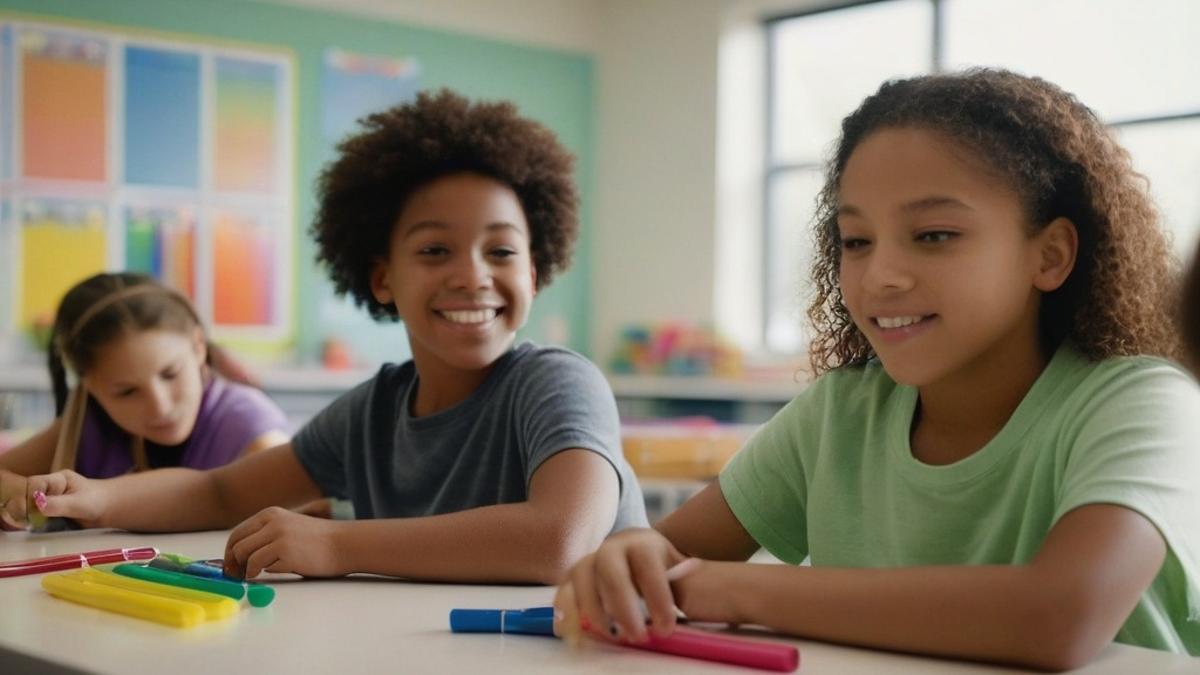
Click here to discover the impact of open educational resources # The Role of Digital Learning Resources in Personalized Education
The Hidden Variables That Separate Success from Stagnation
The answer to why identical platforms produce different results in different schools often comes down to implementation, not technology. A district in San Diego might deploy the same software as one in rural Ohio, yet see wildly different outcomes because of how teachers are trained to use the tools.
According to a 2022 study published by the Education Technology Research and Development journal, teacher training accounted for nearly 40% of the variance in student outcomes when using adaptive platforms. This finding challenges the assumption that Digital Learning Resources in Education succeed or fail based on their algorithms alone.
Access Gaps That Undermine Personalization
Home internet access remains uneven across the country. Pew Research Center data from 2023 shows that roughly 17% of teens report they sometimes cannot complete homework due to lack of reliable internet. For online learning personalization to function outside school walls, connectivity has to exist first.
This gap explains why some districts, including several in New Mexico and Mississippi, have shifted resources toward offline-capable apps that sync data once a connection becomes available. It’s a workaround, not a solution, but it illustrates how infrastructure shapes outcomes just as much as software design.
What Makes the Difference in Practice
Districts reporting the strongest results tend to share specific habits around how they integrate technology into daily routines:
- Weekly teacher collaboration sessions focused on interpreting platform data rather than just administering it.
- Clear pacing guides that prevent students from spending excessive time on adaptive software at the expense of collaborative or discussion-based learning.
- Ongoing professional development, not a single onboarding session at the start of the school year.
- Parent communication tools that translate student progress data into plain language updates.
Some of the most compelling examples come from career and technical education programs, where personalized education tools allow students to move at their own pace through certification coursework. A welding student in Tulsa, Oklahoma, can advance through safety modules faster than a classmate still mastering blueprint reading, without either student feeling rushed or held back.
The broader takeaway is that the benefits of digital learning depend heavily on human decisions surrounding the technology. Software can adapt to a student’s answers, but it cannot adapt to a school’s culture, staffing shortages, or budget constraints on its own.
This dynamic raises another layer worth examining: how educational technology in classrooms is funded, and whether that funding model determines which students actually benefit from these tools.
Weighing the Promise Against the Practice
The story of Digital Learning Resources in Education is not a simple tale of technology fixing what traditional classrooms could not. It is a story about infrastructure, training, funding, and the countless decisions adults make long before a student ever taps a screen.
Adaptive platforms can identify a struggling reader in Cleveland or a gifted math student in Sacramento within weeks, sometimes days. That capability represents a genuine shift from the one-size-fits-all model that dominated American classrooms for generations. Yet the data throughout this discussion points to a harder truth: adaptive learning resources only work as well as the systems supporting them.
What the Evidence Actually Shows
Teacher preparation matters more than software selection. Internet access at home still determines whether online learning personalization extends beyond the school day. And the strongest outcomes appear in districts that treat technology as one part of a larger strategy, not a standalone solution.
This means families and educators evaluating new tools should ask different questions. Instead of asking which platform has the best algorithm, it may be more useful to ask how a district trains its staff, supports low-connectivity households, and measures success beyond test scores.
Looking Ahead
The benefits of digital learning will likely keep expanding as artificial intelligence grows more sophisticated. But sophistication in code does not guarantee equity in outcomes. As more districts adopt personalized education tools, the conversation needs to shift from whether these tools work to who actually gets access to them and how well-supported their teachers are.
The future of educational technology in classrooms depends less on innovation and more on implementation. That distinction may end up shaping American education more than any single app or platform ever could.
Frequently Asked Questions
How do digital learning resources enhance personalized education?
Digital learning resources enhance personalized education by providing tailored content and interactive tools that meet individual learning styles and paces. They allow for adaptive learning pathways, enabling students to engage with materials that align with their unique needs and preferences, ultimately fostering a more effective learning environment.
What types of digital learning resources are most effective for personalized education?
Effective digital learning resources include online courses, educational apps, interactive simulations, and personalized learning platforms. These resources typically feature analytics that track student progress and engagement, allowing educators to adjust their instruction and support to better suit each learner’s journey.
Can digital learning resources in education support students with learning disabilities?
Yes, digital learning resources can significantly support students with learning disabilities by offering specialized tools and accommodating features, such as text-to-speech, adjustable reading levels, and interactive exercises. These resources can provide alternative ways to access information and demonstrate understanding, enabling greater inclusivity in the learning process.
What role do teachers play in integrating digital learning resources into personalized education?
Teachers play a crucial role in selecting, integrating, and facilitating digital learning resources in personalized education. They must assess students’ needs, curate appropriate materials, and guide learners in effectively using these resources to support their individual learning journeys and achieve academic goals.
How can families support their child’s use of digital learning resources in education?
Families can support their child’s use of digital learning resources by encouraging a consistent learning routine, creating a dedicated study environment, and engaging with the digital materials alongside their child. Additionally, they can help monitor progress and communicate with educators to understand how to best utilize these resources for personalized education.